
Is Paver Sealing Worth It? Pros, Cons, and What Homeowners Should Know
Is Sealing Your Pavers Really Worth It?
If you have a brick paver patio, walkway, or driveway, you have probably heard that it should be sealed. You may have also wondered whether sealing is truly necessary or just an extra service.
The honest answer is that paver sealing is worth it for most homeowners, but it is not maintenance-free and it has to be done correctly. Here is a balanced look at the pros, the cons, and what to know before you decide.
What Paver Sealing Actually Does
Sealer is a protective coating applied to clean, dry pavers. Depending on the product, it soaks into the paver, forms a thin film on the surface, or both. Many sealers also help harden the sand in the joints.
Sealing does not make pavers indestructible, and it does not fix structural problems. It is a protective layer that makes the surface easier to maintain and slower to wear.
The Pros of Sealing Brick Pavers
Stain Resistance
Unsealed pavers are porous. Grease, oil, leaves, rust, and spills soak in quickly. Sealer slows that absorption, which gives you more time to clean up and makes stains easier to remove.
Richer, More Even Color
Sealer can deepen and even out the color of pavers that have faded. Finishes range from a natural look to a color-enhanced or wet look.

More Stable Joints
Sealers that stabilize joint sand help keep it in place through rain, wind, and rinsing. Stable joints mean fewer weeds, fewer ants, and pavers that stay locked together.
Easier Cleaning
Dirt, moss, and algae have a harder time taking hold on a sealed surface. Routine sweeping and rinsing go further.
Protection From Weather
Sealer helps limit how much water and deicing salt the surface absorbs. In Michigan, where pavers go through repeated freeze-thaw cycles, that added protection matters.
Curb Appeal
A clean, sealed patio simply looks finished. That is valuable whether you are enjoying the space yourself or preparing to sell.
The Cons of Sealing Brick Pavers
It Is an Added Cost
Sealing adds to the cost of maintaining a patio, and proper preparation is a large part of that cost.
It Has to Be Redone
Sealer wears down with sun, weather, and traffic. Most patios need to be resealed every few years. How often depends on the product, the amount of use, and exposure.
Poor Application Causes Problems
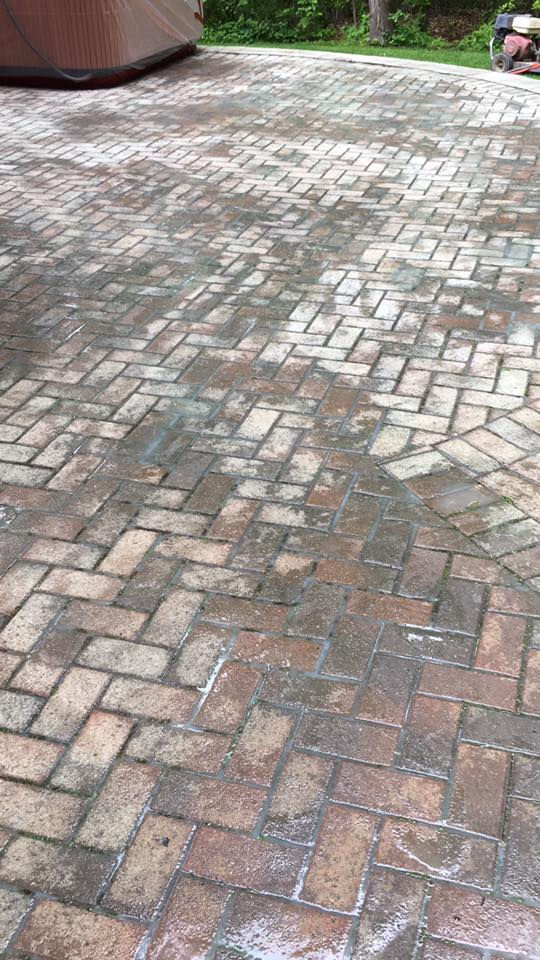
Most sealing problems come from how it was applied, not from sealing itself. Sealing over damp pavers, dirt, or efflorescence, or applying too much product, can leave a white or cloudy haze, blotchy patches, or peeling.
Some Finishes Can Be Slippery
High-gloss, film-forming sealers can be slick when wet. This is worth discussing for pool decks, steps, and sloped walkways, where a different finish or a traction additive may be the better choice.
It Changes the Look
Some sealers darken pavers or add sheen. If you prefer a completely natural appearance, choose the product carefully and ask to see examples first.
It Does Not Fix Underlying Problems
Sealer will not level sunken pavers, correct drainage, or hide deep stains. Those need to be addressed first.
When Sealing Is Most Worth It
Patios used for grilling, dining, and entertaining
Driveways exposed to oil and tire marks
Pool decks
Areas under trees that drop leaves, sap, and debris
Shaded areas prone to moss and algae
Pavers that have faded
Patios that have just been cleaned and re-sanded
Homes being prepared for sale
When Sealing Can Wait
Newly installed pavers, which may need time for efflorescence to work its way out (follow your installer's or manufacturer's guidance)
Pavers that need repair, releveling, or deep cleaning first
Surfaces that are still damp
Cold or wet weather
Sealing needs mild, dry conditions, so in Michigan it is done from spring through early fall.
What Proper Sealing Involves
Thorough cleaning
Treating stains, weeds, and moss
Making any needed repairs
Re-sanding the joints
Allowing the surface to dry completely
Applying the right sealer at the right rate
Keeping foot traffic and furniture off until it cures

This is why sealing is usually part of a clean, sand, and seal service rather than a stand-alone step. The result depends on the preparation.
DIY vs. Professional Sealing
Sealing looks simple, and some homeowners do it themselves successfully. The risks are in the details: sealing too soon after washing, choosing a product that does not suit the paver, applying it too heavily, or sealing over problems. Mistakes are hard to undo, because removing failed sealer usually means stripping it.
A professional brings the right equipment, products, and timing, which matters most on larger patios and on pavers that already have old sealer on them.
Conclusion: Sealing Is Worth It When It Is Done Right
For most brick paver patios, sealing is a worthwhile investment. It protects against stains and weather, keeps joints stable, improves color, and makes maintenance easier. The tradeoffs are cost, periodic resealing, and the importance of proper preparation and application.

PMS Brick Pavers provides professional brick paver cleaning, sanding, and sealing for Michigan homeowners. Our team can evaluate your pavers, recommend the right finish, and make sure the surface is properly prepared before any sealer goes down.
Contact PMS Brick Pavers today to schedule a paver sealing estimate.
Key Takeaways
Paver sealing helps resist stains, stabilize joint sand, enhance color, and protect against weather.
The downsides are added cost, the need to reseal every few years, and problems when it is applied poorly.
Sealing works best as the final step after proper cleaning, repair, and re-sanding.


Comments